Best European Cities to Visit in Winter: Festivals, Attractions and Things to Do
Winter transforms many European cities into memorable travel destinations. Historic squares glow with festive lights, traditional markets fill the streets, and cultural attractions offer plenty to explore when temperatures drop. From New Year celebrations in Edinburgh to Christmas markets in Prague and the Northern Lights in Finnish Lapland, there are plenty of reasons to plan a European winter getaway.
The best European cities to visit in winter depend on the experiences you want from your trip. Some destinations are perfect for Christmas markets and winter festivals, while others offer historic architecture, seasonal outdoor activities and unique cultural experiences.
Whether you are planning a December holiday, a New Year city break or a February sightseeing trip, here are six European destinations worth adding to your winter travel list
Quick Overview: Best European Cities to Visit in Winter
City
Country
Best known for
Winter highlight
Vienna
Austria
Architecture and culture
Viennese Ice Dream
Prague
Czech Republic
Historic streets and markets
Christmas markets
Strasbourg
France
Christmas traditions
Capital of Christmas
Edinburgh
Scotland
History and celebrations
Hogmanay Festival
Tallinn
Estonia
Medieval architecture
Christmas Market
Rovaniemi
Finland
Arctic experiences
Northern Lights
1. Vienna, Austria: Winter Markets, Ice Skating and Imperial Architecture
Vienna is one of the best places to visit in Europe during winter, particularly for travellers who enjoy grand architecture, classical music and seasonal celebrations. The Austrian capital combines historic landmarks with traditional coffeehouses, elegant streets and festive winter attractions.
During the Christmas season, visitors can explore beautifully decorated squares and traditional markets. As winter continues into January and February, the city offers more opportunities to enjoy outdoor activities and cultural attractions.
Top attractions and things to do in Vienna:
Schönbrunn Palace: Explore the former imperial summer residence and its impressive gardens.
St. Stephen's Cathedral: Admire one of Vienna's most recognisable Gothic landmarks in the historic city centre.
Belvedere Palace: Discover its impressive architecture and art collections.
Vienna State Opera: Experience the city's celebrated musical heritage.
Rathausplatz: Visit the area around Vienna City Hall for seasonal activities.
Winter festival highlight: Viennese Ice Dream
The Viennese Ice Dream returns to Rathausplatz from 22 January to 7 March 2027. Visitors can enjoy ice skating across several interconnected areas, with a large skating surface and scenic routes through the park.
Travel tip: Combine outdoor sightseeing with visits to museums, palaces and traditional Viennese coffeehouses. This makes it easier to enjoy the city even on particularly cold days.
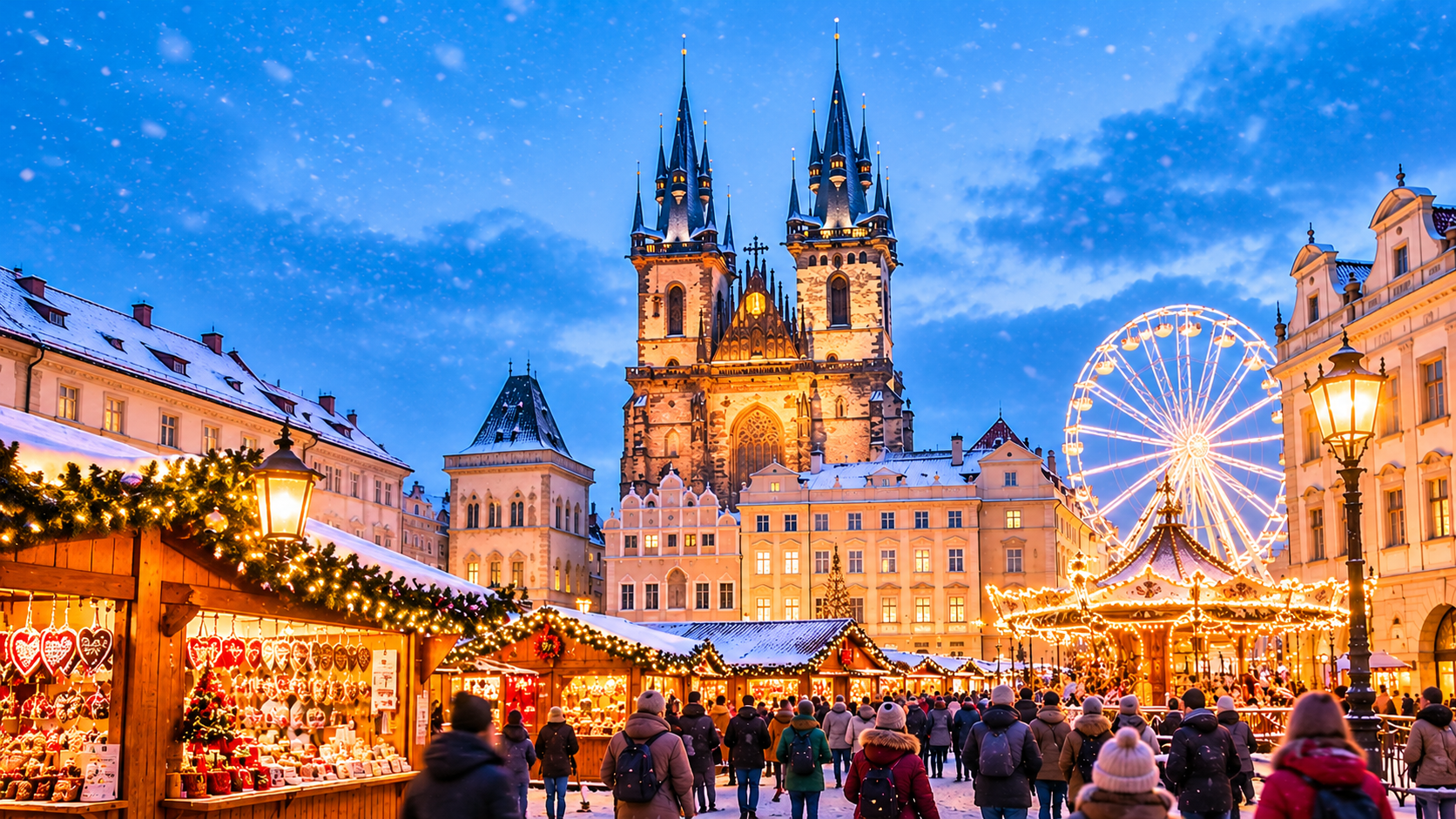
2. Prague, Czech Republic: Christmas Markets and Fairytale Streets
Prague is a wonderful winter destination for travellers interested in medieval architecture, historic streets and festive markets. Its cobbled lanes, Gothic buildings and riverside views create an atmospheric setting during the colder months.
The historic centre is particularly enjoyable to explore on foot, with several famous landmarks located within walking distance of each other.
Top attractions and things to do in Prague:
Charles Bridge: Walk across the historic bridge and enjoy views of the Vltava River.
Prague Castle: Explore the castle complex and St. Vitus Cathedral.
Old Town Square: Admire historic buildings and the famous Astronomical Clock.
Lesser Town: Discover charming streets, historic churches and traditional cafés.
Wenceslas Square: Explore one of the city's best-known public spaces.
Winter festival highlight: Prague Christmas Markets
Prague's Christmas markets are among the main attractions of the winter season. The Old Town Square and Wenceslas Square markets are scheduled to run from 28 November 2026 to 6 January 2027.
Visitors can explore festive stalls, traditional decorations, seasonal food and handcrafted gifts. The Christmas Stroll at Prague Castle also offers a chance to experience the decorated castle grounds from 28 November 2026 to 3 January 2027.
Travel tip: Visit popular landmarks earlier in the day for sightseeing and explore the Christmas markets in the evening when the surrounding streets are illuminated.
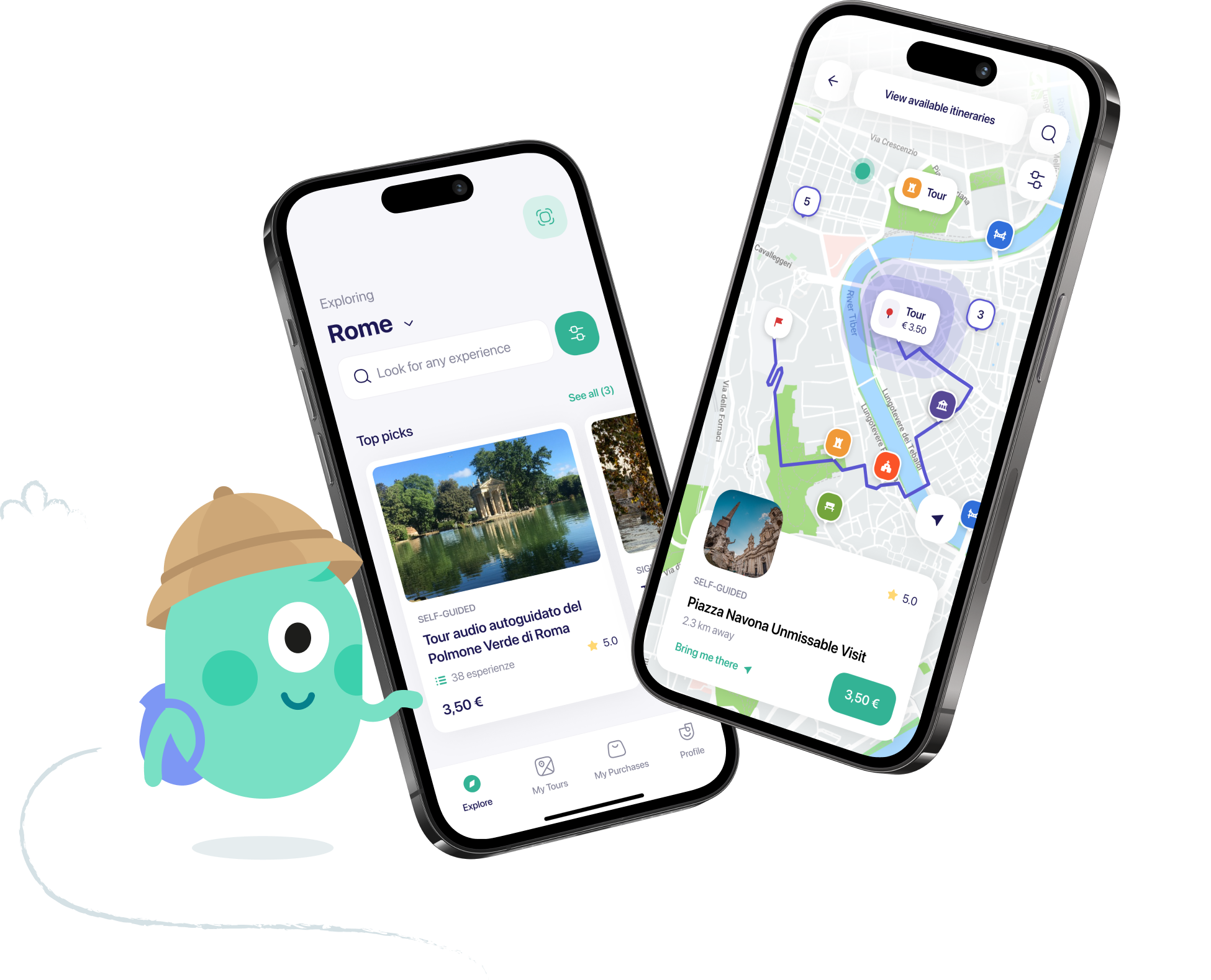
For a different way to discover the city, consider the Vox City Prague Public Tram Audio Tour, which provides audio commentary along Prague's tram route 23.
3. Strasbourg, France: Experience Europe's Christmas Capital
Strasbourg is a particularly attractive destination for travellers looking for traditional European Christmas markets. Located in the Alsace region of France, the city is known for its historic architecture, charming canals and festive seasonal atmosphere.
Its historic centre, Grande Île, is an excellent place to explore on foot. Half-timbered houses, narrow streets and illuminated squares make the city especially appealing during winter.
Top attractions and things to do in Strasbourg:
Strasbourg Cathedral: Admire the impressive Gothic architecture of this historic cathedral.
Petite France: Explore the picturesque neighbourhood known for its canals and half-timbered buildings.
Place Kléber: Visit the city's central square and its famous seasonal decorations.
Palais Rohan: Discover an important historic building housing several museums.
Grande Île: Walk through the historic centre and explore its architectural highlights.
Winter festival highlight: Strasbourg Christmas Market
Known as the Christkindelsmärik, Strasbourg's Christmas Market dates back to 1570 and is one of Europe's historic Christmas market traditions.
For 2026, the market is scheduled to run from 27 November to 24 December. Eight markets will be located across the historic city centre, featuring local crafts, seasonal food, decorations and festive displays.
Travel tip: Explore the historic centre on foot and allow enough time to visit different market locations. Weekday mornings can be a useful option if you prefer a quieter experience.
4. Edinburgh, Scotland: New Year Celebrations and Historic Attractions
Edinburgh offers a distinctive winter experience, combining historic architecture, cultural attractions and one of Europe's best-known New Year celebrations.
The Scottish capital is particularly appealing during December, when its streets and historic landmarks create a festive atmosphere. Its compact city centre also makes it convenient for visitors who want to explore several attractions during a short winter break.
Top attractions and things to do in Edinburgh:
Edinburgh Castle: Explore the historic fortress overlooking the city.
Royal Mile: Walk through the Old Town's historic streets and discover traditional shops and landmarks.
Palace of Holyroodhouse: Visit the official Scottish residence of the British monarch.
Calton Hill: Enjoy panoramic views of Edinburgh's skyline.
National Museum of Scotland: Discover Scottish history, culture, science and world heritage collections.
Winter festival highlight: Edinburgh's Hogmanay
Hogmanay is Scotland's traditional New Year celebration, and Edinburgh hosts a multi-day festival to welcome the new year.
The 2026–2027 celebration is scheduled for 29 December 2026 to 1 January 2027. Its programme includes the Torchlight Procession, live music and New Year festivities.
Travel tip: If you plan to visit during Hogmanay, arrange accommodation and event tickets in advance. Popular celebrations can attract significant visitor numbers.
5. Tallinn, Estonia: Medieval Streets and Traditional Christmas Markets
Tallinn is an excellent choice for travellers who want to experience a traditional European winter atmosphere in a smaller, historic city.
Estonia's capital is known for its medieval Old Town, cobbled streets, historic churches and colourful buildings. During winter, snow-covered rooftops and seasonal decorations can make its historic centre particularly picturesque.
Top attractions and things to do in Tallinn:
Town Hall Square: Explore the historic heart of Tallinn and its seasonal market.
Tallinn Town Hall: Admire one of the city's most recognisable medieval landmarks.
Alexander Nevsky Cathedral: Visit the impressive Orthodox cathedral on Toompea Hill.
Toompea Castle: Discover the historic castle complex and surrounding viewpoints.
Kadriorg Palace: Explore the Baroque palace and its surrounding park.
Winter festival highlight: Tallinn Christmas Market
Tallinn's Christmas Market is held in Town Hall Square, the centre of its medieval Old Town.
For the 2026–2027 season, the market is scheduled to run from 20 November 2026 to 6 January 2027. Visitors can browse local handicrafts, enjoy traditional Estonian seasonal food and experience festive performances and decorations.
Travel tip: Wear warm clothing and shoes with good grip, particularly if you plan to explore the cobbled streets and viewpoints around Toompea Hill.
6. Rovaniemi, Finland: Northern Lights and Arctic Winter Experiences
For travellers looking for a completely different winter holiday, Rovaniemi offers an Arctic experience unlike traditional European city breaks.
Located in Finnish Lapland, Rovaniemi is known as the official hometown of Santa Claus. Its snowy landscapes, winter activities and opportunities to see the Northern Lights make it an appealing destination for families, couples and adventure seekers.
Top attractions and things to do in Rovaniemi:
Santa Claus Village: Meet Santa Claus and experience the festive atmosphere at the Arctic Circle.
Arktikum: Discover exhibitions about Arctic nature, history and northern cultures.
Korundi House of Culture: Explore art and cultural exhibitions.
Northern Lights viewing: Look for the Aurora Borealis in suitable public viewing locations.
Reindeer and husky experiences: Discover traditional Arctic activities through local operators.
Winter experience highlight: Northern Lights season
The Northern Lights season in Rovaniemi generally runs from late August until early April. Winter's longer hours of darkness provide opportunities to observe the Aurora Borealis, although sightings depend on clear skies and solar activity.
Travel tip: Plan more than one evening for Northern Lights viewing because sightings are never guaranteed. Choose suitable public viewing areas away from excessive artificial light and respect local access restrictions.
How to Choose the Best European City for Your Winter Trip
Every destination offers something different, so your choice should depend on the type of winter holiday you want.
Your travel preference
Recommended city
Christmas markets and festive traditions
Strasbourg
Historic architecture and sightseeing
Prague
Ice skating and cultural experiences
Vienna
New Year celebrations
Edinburgh
Medieval streets and Christmas atmosphere
Tallinn
Northern Lights and Arctic adventures
Rovaniemi
If you prefer milder winter weather, consider southern European destinations such as Rome or Lisbon. For more ideas, explore our guide to Winter City Breaks in Europe 2026–2027.
A little preparation can make winter sightseeing more comfortable and enjoyable. Keep these practical tips in mind before booking your trip.
1. Check event dates before travelling
Christmas markets, festivals and seasonal attractions operate on different schedules. Some close before Christmas, while others continue into January. Always check official event websites for the latest information.
2. Pack according to your destination
Northern destinations such as Tallinn and Rovaniemi require warmer clothing than cities such as Strasbourg or Vienna. Pack layers, waterproof outerwear, gloves and comfortable walking shoes.
3. Balance indoor and outdoor attractions
Include museums, galleries, historic buildings and other indoor experiences in your itinerary. They provide useful alternatives when the weather is cold or rainy.
4. Book popular attractions in advance
Some major landmarks and museums have timed-entry arrangements or limited visitor capacity. Check official booking information before your visit.
5. Allow enough daylight for sightseeing
Winter days are shorter in northern Europe. Plan outdoor sightseeing earlier in the day and leave evenings for festive markets, restaurants and indoor activities.
6. Consider guided and self-guided sightseeing
Walking tours and audio guides can help you understand the history and architecture of a destination. Self-guided experiences are particularly useful if you prefer exploring at your own pace rather than following a fixed group schedule.
Frequently Asked Questions About Visiting Europe in Winter
What are the best European cities to visit in winter?
Vienna, Prague, Strasbourg, Edinburgh, Tallinn and Rovaniemi are excellent winter destinations. They offer a mix of historic attractions, Christmas markets, cultural festivals, outdoor activities and unique seasonal experiences.
Which European cities have the best Christmas markets?
Strasbourg, Prague, Vienna and Tallinn are popular choices for Christmas markets. Visitors can enjoy traditional food, handcrafted decorations, festive lights and seasonal entertainment.
Where can you celebrate New Year in Europe?
Edinburgh is a popular destination for New Year celebrations because of its Hogmanay festival, which features traditional festivities, live entertainment and the famous Torchlight Procession.
Which European city is best for seeing the Northern Lights?
Rovaniemi in Finnish Lapland is a popular destination for Northern Lights viewing. The Aurora season generally runs from late August to early April, although sightings depend on weather and solar activity.
Is winter a good time to visit European cities?
Yes. Winter is a great time to explore European cities, particularly if you enjoy seasonal festivals, Christmas markets, museums and historic attractions. However, shorter daylight hours and colder weather require some travel planning.
What should I pack for a winter trip to Europe?
Pack warm layers, a winter coat, waterproof footwear, gloves, scarves and comfortable walking shoes. If you are visiting northern destinations such as Finland or Estonia, prepare for freezing temperatures and possible snowfall.
The World At Your Fingertips.
Experience what it's like to Discover the world with the Vox City App.










 English
 EUR